
Comparing Roofing Materials: Which Roof Is Best for Your Home?
When it comes to protecting your home, few decisions matter more than choosing the right roofing material. Your roof impacts everything from curb appeal and energy efficiency to long term maintenance costs and resale value. With so many roofing options available today, homeowners often feel overwhelmed trying to determine which material is the best fit for their home, climate, and exterior remodeling budget.
At Reliable Home Improvement, we understand that a roof replacement is a major investment. That is why California homeowners should carefully compare roofing materials before making a final decision. Every roofing system has unique advantages, disadvantages, lifespans, and maintenance requirements. The right choice depends on your goals, your home’s architectural style, and the weather conditions your roof must withstand year after year.
In this guide, we will compare the most common residential roofing materials, including asphalt shingles, metal roofing, wood shakes, slate roofing, clay tile, and synthetic roofing products. By the end, you will have a clearer understanding of which roofing material best suits your needs.
Why Your Roofing Material Matters
Your roof does much more than cover your home. It serves as your home’s first line of defense against rain, wind, hail, snow, heat, and UV exposure. The roofing material you choose can influence:
- Roof lifespan
- Maintenance requirements
- Energy efficiency
- Storm resistance
- Home value
- Insurance costs
- Curb appeal
- Overall replacement cost
Some roofing materials are designed for affordability, while others prioritize longevity or premium aesthetics. Understanding the differences can help homeowners avoid costly mistakes and maximize their investment.
Industry experts consistently note that climate, durability, installation quality, and long term maintenance should all play major roles in selecting roofing materials.
Asphalt Shingles
Asphalt shingles remain the most popular roofing material in the United States, largely because they offer an excellent balance between affordability and performance.
There are two primary types of asphalt shingles:
- Three tab shingles
- Architectural shingles
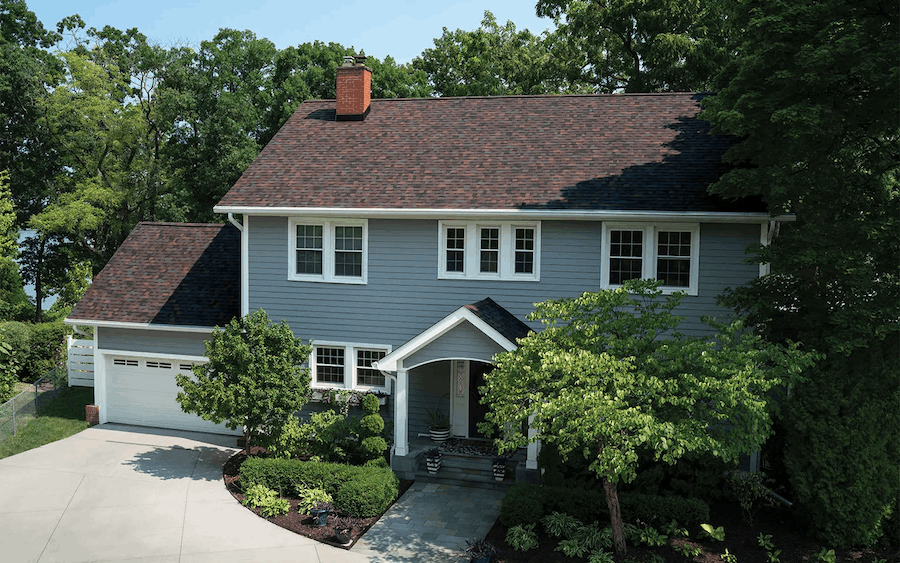
Architectural shingles are thicker, more durable, and visually appealing than traditional three tab options. Most homeowners today prefer architectural shingles for their improved lifespan and dimensional appearance.
Owens Corning architectural shingles are especially popular among homeowners looking for a balance of curb appeal, weather protection, and value.
Pros of Asphalt Shingles
- Affordable upfront cost
- Widely available
- Variety of colors and styles
- Easier and faster installation
- Good performance in many climates
- Relatively simple repairs
Cons of Asphalt Shingles
- Shorter lifespan than premium materials
- Can be damaged by extreme weather
- May fade over time
- Less environmentally friendly than recyclable materials
Average Lifespan
- Three tab shingles: 15 to 20 years
- Architectural shingles: 25 to 30 years
Best For
Homeowners seeking a cost effective roofing solution with reliable performance and strong curb appeal.
Asphalt shingles are often the ideal choice for homeowners balancing budget and durability. Proper installation and attic ventilation play a major role in extending shingle life and preventing premature deterioration.
Metal Roofing
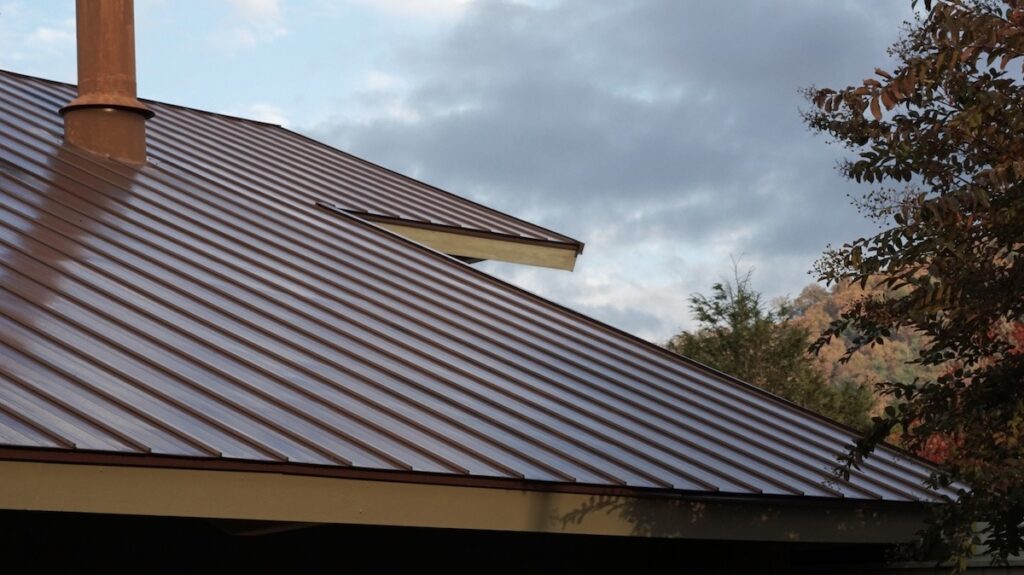
Metal roofing has become increasingly popular among homeowners looking for exceptional durability and energy efficiency. Modern metal roofs are available in several styles, including standing seam panels, corrugated panels, and metal shingles designed to mimic traditional roofing materials.
Metal roofs are known for their ability to withstand severe weather conditions while requiring relatively little maintenance.
Pros of Metal Roofing
- Extremely long lifespan
- Excellent durability
- Fire resistant
- Energy efficient
- Lightweight
- Environmentally friendly and recyclable
- Performs well in snow and heavy rain
Cons of Metal Roofing
- Higher upfront cost
- Can be noisier during rainstorms
- Installation requires specialized expertise
- Denting may occur from large hail
Average Lifespan
40 to 70 years depending on material and installation quality.
Best For
Homeowners looking for long term value, energy savings, and superior weather resistance.
Many homeowners appreciate metal roofing because it reflects solar heat, which may help reduce cooling costs during hot summers. Metal roofs are also commonly recommended in areas prone to high winds or severe storms.
Wood Shake Roofing
Wood shake roofing offers a natural, rustic appearance that many homeowners love. Cedar is the most common wood roofing material because of its natural resistance to moisture and insects.
Wood shakes differ from wood shingles because they are typically hand split, giving them a thicker and more textured appearance.
Pros of Wood Shake Roofing
- Beautiful natural appearance
- Strong curb appeal
- Good insulation properties
- Can last for decades with proper maintenance
Cons of Wood Shake Roofing
- Requires regular maintenance
- Higher cost than asphalt shingles
- Vulnerable to moisture damage if neglected
- Potential fire concerns in some regions
- Susceptible to mold and rot
Average Lifespan
Approximately 25 to 40 years with proper care.
Best For
Homeowners seeking a premium, natural appearance for traditional or rustic style homes.
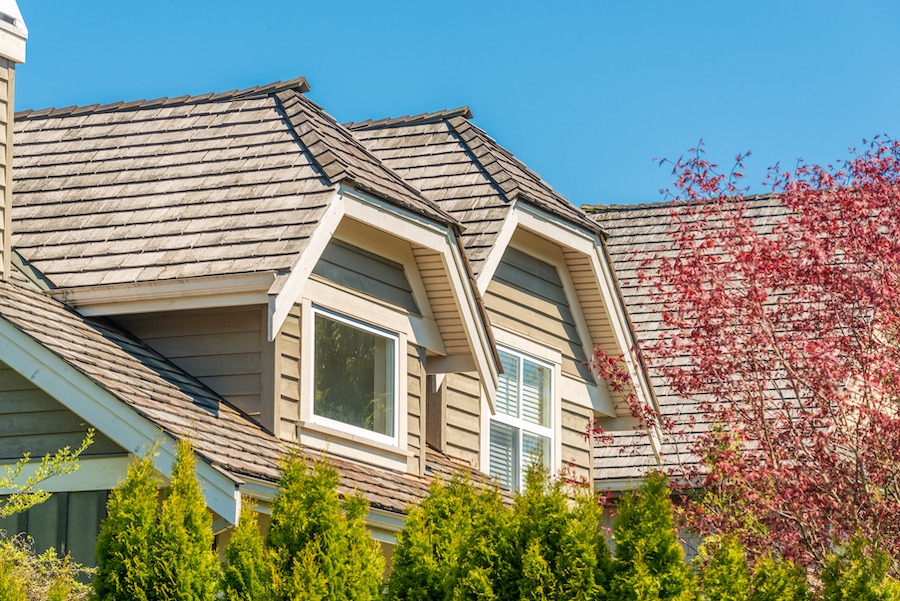
Wood roofing can create a stunning visual effect, but homeowners must be prepared for routine maintenance and inspections to preserve the roof’s condition.
Slate Roofing
Slate roofing is considered one of the most durable and elegant roofing materials available. Made from natural stone, slate roofs are prized for their longevity and timeless appearance.
Many historic homes still feature original slate roofs that have lasted for over a century.
Pros of Slate Roofing
- Extremely long lifespan
- Exceptional durability
- Fire resistant
- Elegant appearance
- Low maintenance
- Resistant to mold and insect damage
Cons of Slate Roofing
- Very expensive
- Heavy material may require structural reinforcement
- Installation requires specialized contractors
- Repairs can be difficult
Average Lifespan
75 to 150 years or more.
Best For
Luxury homes and homeowners planning to remain in their homes for decades.
Slate roofs represent a major investment, but many homeowners view the longevity and beauty as worth the higher initial cost.
Clay and Concrete Tile Roofing
Clay and concrete tile roofs are especially popular in warmer climates and Mediterranean style architecture. These roofs are highly durable and provide excellent resistance to heat and fire.
Clay tiles typically feature a distinctive terracotta appearance, while concrete tiles offer more design versatility.
Pros of Tile Roofing
- Long lifespan
- Excellent heat resistance
- Fire resistant
- Strong curb appeal
- Durable in hot climates
Cons of Tile Roofing
- Heavy material
- Expensive installation
- Fragile under foot traffic
- Structural reinforcement may be required
Average Lifespan
50 to 100 years depending on material quality and maintenance.
Best For
Homes in warm climates and homeowners seeking a distinctive architectural style.
Tile roofing is often associated with premium homes because of its elegant appearance and impressive durability.
Synthetic Roofing Materials
Synthetic roofing materials are designed to replicate the appearance of natural materials like slate, wood shake, or tile while offering improved durability and reduced maintenance.
These products are often made from engineered polymers, recycled plastics, or rubber compounds.
Pros of Synthetic Roofing
- Lightweight
- Lower maintenance
- Durable
- Often more affordable than natural materials
- Wide variety of styles
- Good weather resistance
Cons of Synthetic Roofing
- Quality varies between manufacturers
- Some products are newer with less proven longevity
- Higher cost than asphalt shingles
Average Lifespan
30 to 50 years depending on product quality.
Best For
Homeowners who want the appearance of premium roofing materials without the weight or maintenance demands.
Synthetic roofing products continue gaining popularity because they combine aesthetics with practical performance benefits.
Comparing Roofing Materials Side by Side
| Roofing Material | Average Lifespan | Cost Range | Maintenance Level | Energy Efficiency | Best Feature |
| Asphalt Shingles | 15 to 30 years | Low | Moderate | Moderate | Affordability |
| Metal Roofing | 40 to 70 years | Moderate to High | Low | High | Durability |
| Wood Shake | 25 to 40 years | High | High | Moderate | Natural appearance |
| Slate Roofing | 75 to 150 years | Very High | Low | Moderate | Longevity |
| Tile Roofing | 50 to 100 years | High | Moderate | High | Heat resistance |
| Synthetic Roofing | 30 to 50 years | Moderate to High | Low | Moderate to High | Versatility |
Factors to Consider Before Choosing a Roofing Material
Climate
Your local climate should strongly influence your roofing decision. Metal roofs perform exceptionally well in areas with snow and heavy storms, while clay tiles excel in hot climates.
Budget
Homeowners should consider both upfront installation costs and long term maintenance expenses. A cheaper roof may require more repairs or earlier replacement.
Home Style
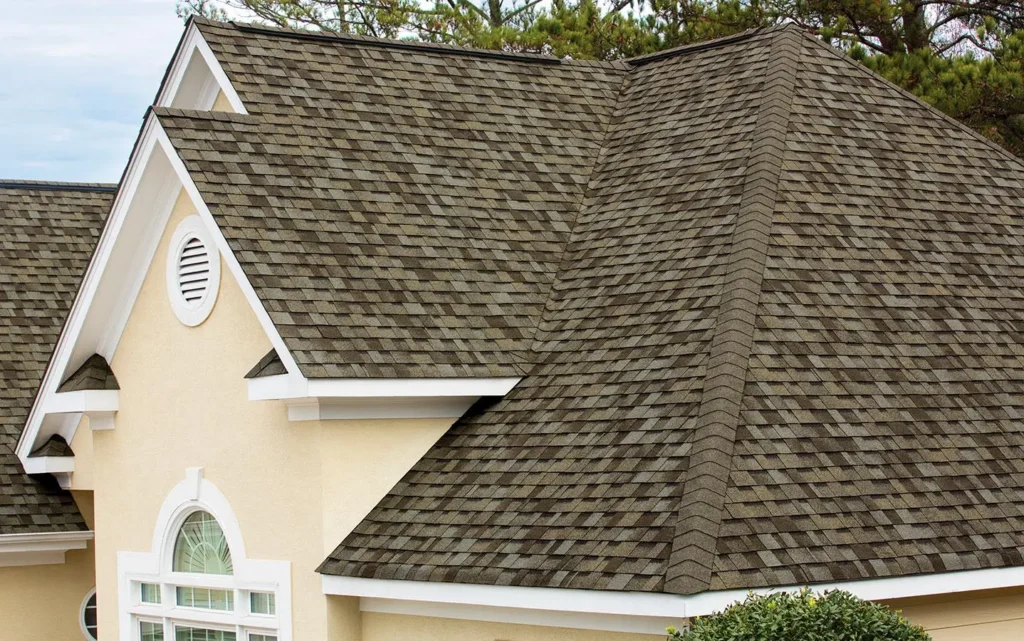
Certain roofing materials complement specific architectural styles and siding colors better than others. For example:
- Slate suits historic and luxury homes
- Tile complements Mediterranean designs
- Metal works well with modern and farmhouse styles
- Asphalt fits nearly any home style
Maintenance Expectations
Some homeowners prefer low maintenance roofing systems, while others are comfortable performing regular upkeep, like exterior cleaning and painting, to maintain premium aesthetics.
Longevity
If you plan to stay in your home for many years, investing in a longer lasting material may provide better long term value.
Installation Quality
Even the best roofing material can fail prematurely if improperly installed. Industry professionals consistently stress the importance of hiring experienced roofing contractors who follow manufacturer specifications and proper installation practices.
Reliable Home Improvement installs complete Owens Corning roofing systems designed to work together for improved durability, ventilation, and weather protection.
Why Working With an Owens Corning Platinum-Certified Contractor Matters
Choosing the right roofing material is only part of the equation. Even the best roofing products can fail prematurely if they are not installed correctly. That is why working with a highly qualified roofing contractor is just as important as selecting the right shingles or roofing system.
At Reliable Home Improvement, we are proud to be an Owens Corning Platinum-Certified contractor. This distinction is reserved for a select group of roofing professionals and represents the top 1% of roofing contractors nationwide.
Homeowners who work with a Platinum-Certified contractor benefit from:
- Precise installation that follows Owens Corning roofing system guidelines
- Advanced training and proven craftsmanship
- Access to premium Owens Corning roofing products
- Stronger warranty protection
- Greater long term peace of mind
One of the biggest advantages of working with a Platinum-Certified contractor is access to extended warranty coverage. Reliable Home Improvement can offer Owens Corning roofing warranties that include up to 50 years of material coverage and workmanship protection on qualifying roofing systems.
This level of coverage helps protect your investment while giving homeowners confidence that their roof is built to last. It also reflects the high standards Owens Corning requires contractors to maintain for customer service, installation quality, and professionalism.
When comparing roofing materials, homeowners should also compare the contractors installing them. A high quality roof backed by expert installation and industry leading warranties can make a major difference in the long term performance and value of your home
Signs It May Be Time for a Roof Replacement
Regardless of material type, every roof eventually reaches the end of its lifespan. Some common warning signs include:
- Missing or damaged shingles
- Roof leaks
- Sagging roof areas
- Granule loss on shingles
- Frequent repairs
- Water stains on ceilings
- Moss or algae growth
- Rising energy bills
If your roof is showing signs of wear, a professional inspection can help determine whether repair or replacement is the better option.
How Reliable Home Improvement Can Help
At Reliable Home Improvement, our team helps homeowners choose from premium Owens Corning roofing systems that combine protection, energy efficiency, and curb appeal. Every home is different, which is why we take the time to understand your goals, budget, and long term plans before recommending roofing options.
Our experienced team provides professional roofing services designed to protect your home while enhancing curb appeal and energy efficiency. Whether you are considering asphalt shingles, metal roofing, or another roofing system, we are committed to delivering dependable workmanship and honest guidance throughout the process.
A quality roof is one of the most important investments you can make in your home. Choosing the right material today can provide decades of protection and peace of mind.
Making the Best Roofing Choice for Your Home
Comparing roofing materials is an essential step when planning a roof replacement. Each roofing type offers distinct benefits, costs, and maintenance requirements. Asphalt shingles remain a popular and affordable choice, while metal roofing offers outstanding durability and energy efficiency. Premium materials like slate and tile deliver unmatched longevity and curb appeal, while synthetic roofing products provide a balance between aesthetics and practicality.
The best roofing material for your home ultimately depends on your budget, climate, maintenance preferences, and long term goals. Working with an experienced roofing contractor can help you make a confident and informed decision.
If you are ready to explore your roofing options, the team at Reliable Home Improvement is here to help. Contact us online or call 916-773-0263 to schedule your free consultation today!
FAQ: Comparing Roofing Materials
1. What is the most affordable roofing material?
Asphalt shingles are generally the most affordable roofing material for residential homes. They offer reliable protection at a lower upfront cost compared to premium materials.
2. Which roofing material lasts the longest?
Slate roofing typically has the longest lifespan, often lasting 75 to 150 years when properly installed and maintained.
3. Is metal roofing better than shingles?
Metal roofing usually lasts longer and offers better durability than asphalt shingles, but it also comes with a higher upfront cost.
4. What roofing material is best for hot climates?
Clay tile and metal roofing are both excellent options for hot climates because they help reflect heat and improve energy efficiency.
5. Why does the roofing manufacturer matter?
The manufacturer plays a major role in product quality, warranty coverage, and long term roof performance. Reliable Home Improvement installs Owens Corning roofing products because they are known for durability, innovation, and strong warranty protection.
Related Topics
- Best Roof Color: Find the Perfect Match for Your Home
- The Energy-Saving Benefits of New Windows
- Roof Deterioration Explained: The Different Stages of Asphalt Shingle Aging
- Asphalt Shingles vs. Tile: Which Roofing Material Is Best for Your Home?
- How to Calculate Roof Area: A Step-by-Step Guide for Homeowners