


Reliable Home Improvement understands that your roof is one of the most important parts of your home. It protects your family, your belongings, and the structural integrity of your property from the elements year-round. While asphalt shingles are known for their durability and affordability, they do not last forever. Over time, exposure to sunlight, rain, wind, temperature fluctuations, and debris causes gradual wear that eventually leads to roof deterioration.
Many homeowners are surprised to learn that roof aging occurs in stages. The changes are often subtle at first, making it difficult to recognize when a roof is approaching the end of its lifespan. Understanding the different stages of asphalt shingle deterioration can help you identify problems early, avoid costly repairs, and plan for a future roof replacement before major damage occurs.
In this guide, we will explore the lifecycle of an asphalt shingle roof, the warning signs associated with each stage of deterioration, and what homeowners can do to maximize the lifespan of their roofing system.
Why Asphalt Shingles Deteriorate Over Time
Asphalt shingles are engineered to withstand years of weather exposure, but every roofing material has a finite lifespan. Most asphalt shingle roofs last between 20 and 30 years depending on product quality, installation, maintenance, and local climate conditions.
Several factors contribute to roof deterioration:
- Ultraviolet radiation from the sun
- Extreme heat and temperature fluctuations
- Heavy rainfall and moisture exposure
- High winds and storms
- Ice dams and freeze-thaw cycles
- Debris accumulation
- Poor attic ventilation
- Inadequate roof maintenance
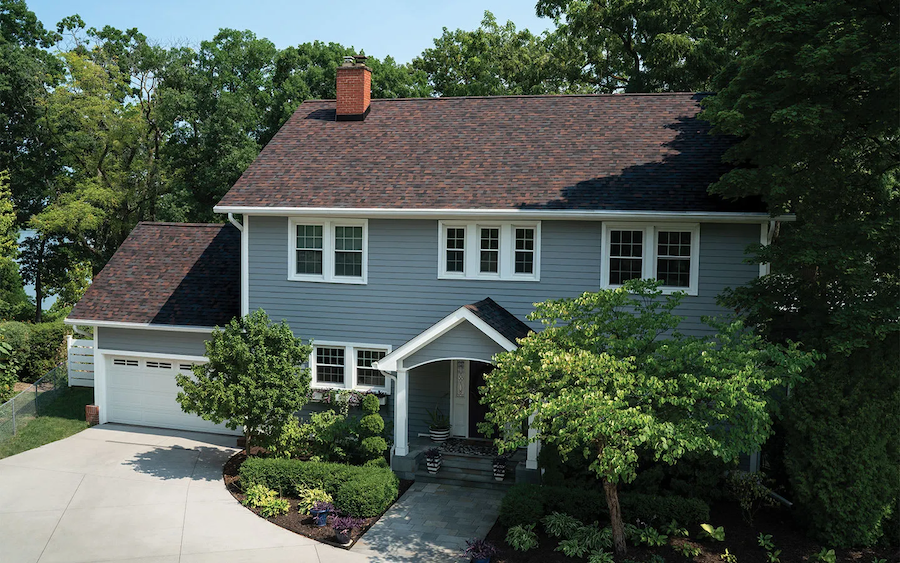
Over time, these environmental stressors gradually break down the materials that make up asphalt shingles, leading to visible signs of aging and reduced performance.
The Lifecycle of an Asphalt Shingle Roof
Most asphalt shingle roofs progress through four primary stages:
- Early life and peak performance
- Early aging and minor wear
- Advanced deterioration
- End-of-life failure
Recognizing where your roof falls within this lifecycle can help you make informed decisions about maintenance and replacement.
Stage 1: New Roof and Peak Performance
When an asphalt shingle roof is newly installed, it is in its strongest condition. The shingles contain protective oils and asphalt compounds that provide flexibility and weather resistance. Granules are firmly embedded into the shingle surface and offer critical protection against UV radiation.
At this stage, your roof should:
- Have a uniform appearance
- Display consistent coloration
- Show no curling or cracking
- Resist moisture effectively
- Shed water efficiently
Most homeowners experience very few roofing concerns during this period. Regular inspections and preventative maintenance are usually all that is needed to keep the roof performing at its best.
What Happens During This Stage?
Although the roof appears unchanged, weather exposure begins affecting the shingles immediately after installation. Sunlight gradually evaporates volatile compounds within the asphalt. This process is slow but marks the beginning of the aging cycle.
Proper attic ventilation is particularly important during this stage because excessive attic heat can accelerate shingle aging and shorten the roof’s lifespan.
Stage 2: Early Roof Deterioration and Granule Loss
After several years of exposure, asphalt shingles begin showing the first visible signs of roof deterioration. One of the earliest indicators is granule loss.
Roofing granules serve several important functions:
- Shield shingles from UV damage
- Help regulate roof temperature
- Improve fire resistance
- Protect underlying asphalt layers
As shingles age, these granules gradually loosen and wash away through rainwater runoff.
Signs of Early Roof Deterioration
Homeowners may notice:
- Granules collecting in gutters
- Slight color fading
- Minor surface wear
- Small areas of exposed asphalt
- Reduced water shedding efficiency
A limited amount of granule loss is normal, especially during the first year after installation. However, excessive granule loss later in the roof’s lifespan is a warning sign that deterioration is accelerating.
The Science Behind Granule Loss
As shingles repeatedly expand and contract due to temperature changes, the bond between the granules and asphalt weakens. Wind, rain, hail, and foot traffic can further dislodge granules.
Without adequate granule coverage, asphalt becomes increasingly vulnerable to ultraviolet radiation. This exposure speeds up the aging process and leads to more significant deterioration.
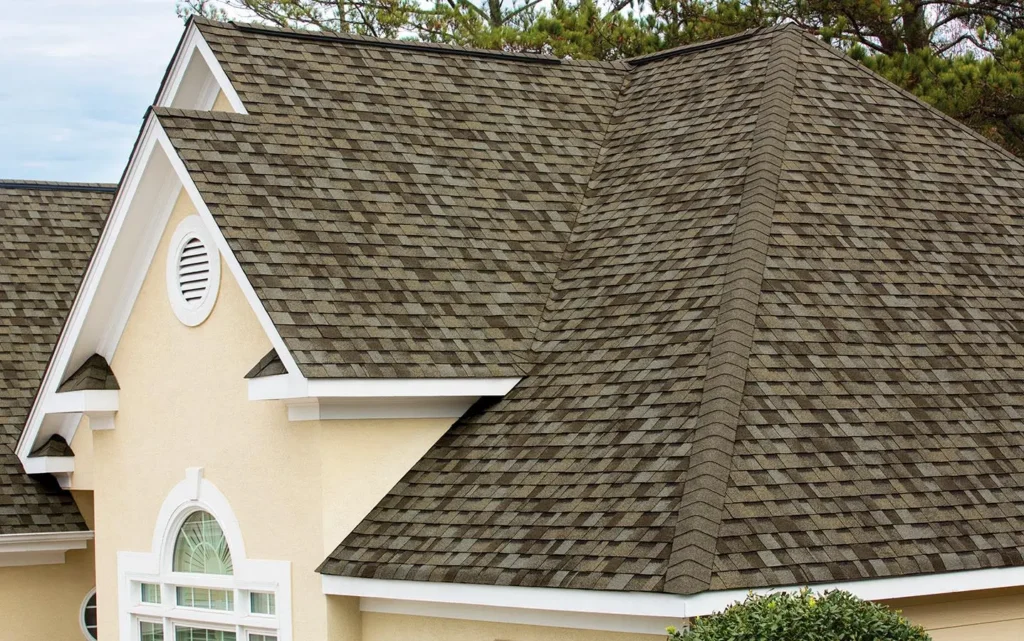
Stage 3: Advanced Aging and Structural Breakdown
As the roof continues aging, the deterioration becomes more noticeable. The asphalt begins losing flexibility and becomes increasingly brittle.
At this point, many homeowners start experiencing roofing issues that require professional attention.
Common Signs of Advanced Roof Deterioration
- Curling shingles
- Cupping shingle edges
- Cracked shingles
- Missing shingles
- Noticeable discoloration
- Bald spots from granule loss
- Increased algae or moss growth
Curling and cracking are particularly concerning because they indicate that the asphalt has become dry and inflexible.
Why Shingles Curl
Curling occurs when moisture and temperature fluctuations cause uneven expansion within the roofing material. As asphalt loses its flexibility, the shingle edges begin lifting away from the roof surface.
Curled shingles create several problems:
- Increased vulnerability to wind damage
- Greater risk of water infiltration
- Reduced aesthetic appeal
- Higher likelihood of shingle loss during storms
Once curling begins, the roof is often approaching the later stages of its service life.
Cracking and Splitting
Brittle shingles are susceptible to cracking. These cracks may start small but often expand over time.
Cracked shingles allow water to penetrate beneath the roofing system, increasing the risk of:
- Roof leaks
- Wood rot
- Mold growth
- Structural damage
- Interior water damage
Professional inspections become increasingly important during this stage because many issues may not be visible from the ground.
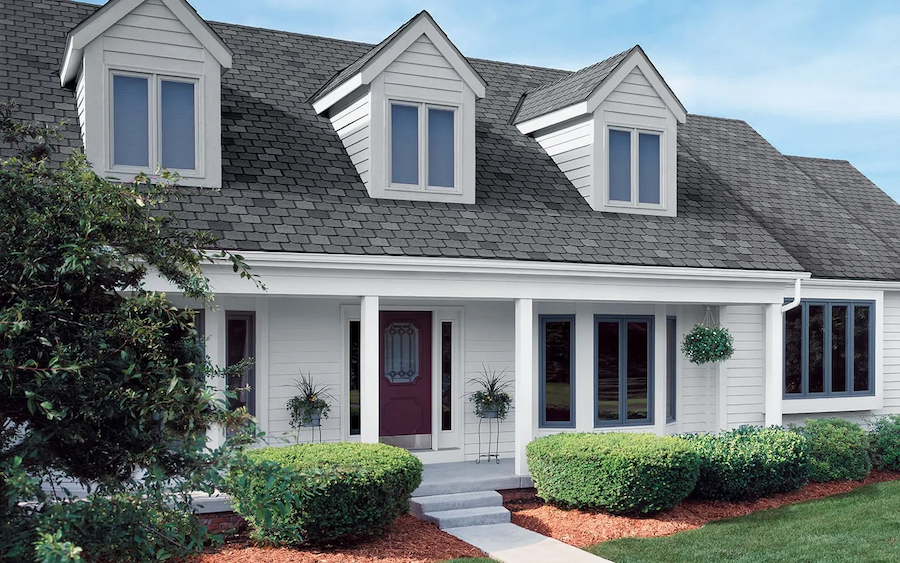
Stage 4: Severe Roof Deterioration and End-of-Life Failure
Eventually, asphalt shingles reach the final stage of deterioration. The roofing system can no longer provide reliable protection against weather exposure.
At this stage, repairs become less effective and replacement is often the most practical solution.
Major Warning Signs
Some of the most obvious indicators include:
- Extensive granule loss
- Widespread cracking
- Significant curling
- Frequent leaks
- Missing shingles throughout the roof
- Sagging roof sections
- Visible daylight in the attic
- Water stains on ceilings and walls
These signs indicate that the roof’s protective barrier has been severely compromised.
Increased Leak Risk
When shingles lose their ability to repel water, moisture can infiltrate the roofing system more easily.
Leaks may develop around:
- Roof penetrations
- Valleys
- Flashing areas
- Damaged shingles
- Exposed nail heads
Unfortunately, visible leaks often represent only a small portion of the underlying damage. Water may travel significant distances before becoming noticeable inside the home.
Structural Concerns
Long-term water intrusion can affect more than just roofing materials.
Potential consequences include:
- Decking deterioration
- Mold and mildew growth
- Insulation damage
- Framing rot
- Reduced energy efficiency
The longer severe roof deterioration goes unaddressed, the more extensive and expensive repairs can become.
Environmental Factors That Accelerate Roof Deterioration
Not all roofs age at the same rate. Several environmental conditions can significantly influence how quickly deterioration occurs.
Intense Sun Exposure
Ultraviolet radiation is one of the primary causes of asphalt shingle aging. Homes in sunny climates often experience faster deterioration because UV rays continuously break down asphalt compounds.
Extreme Temperature Changes
Frequent expansion and contraction place stress on roofing materials. Areas with hot summers and cold winters often see accelerated shingle wear.
High Winds
Strong winds can loosen granules, lift shingles, and create small areas of damage that worsen over time.
Heavy Rainfall
Persistent moisture exposure increases the likelihood of leaks, algae growth, and material degradation.
Poor Ventilation
Inadequate attic ventilation traps heat and moisture beneath the roof. This can dramatically shorten the lifespan of asphalt shingles and contribute to premature aging.
How to Slow Roof Deterioration
While aging is inevitable, proper maintenance can help maximize the lifespan of your roof.
Schedule Regular Inspections
Professional roof inspections can identify minor issues before they become major problems.
Most homeowners should schedule inspections:
- Annually
- After major storms
- Before buying or selling a home
- When signs of deterioration appear
Keep Gutters Clean
Clogged gutters can trap moisture and increase the risk of water damage.
Routine gutter maintenance helps:
- Improve drainage
- Prevent standing water
- Reduce moisture-related deterioration
- Protect roof edges
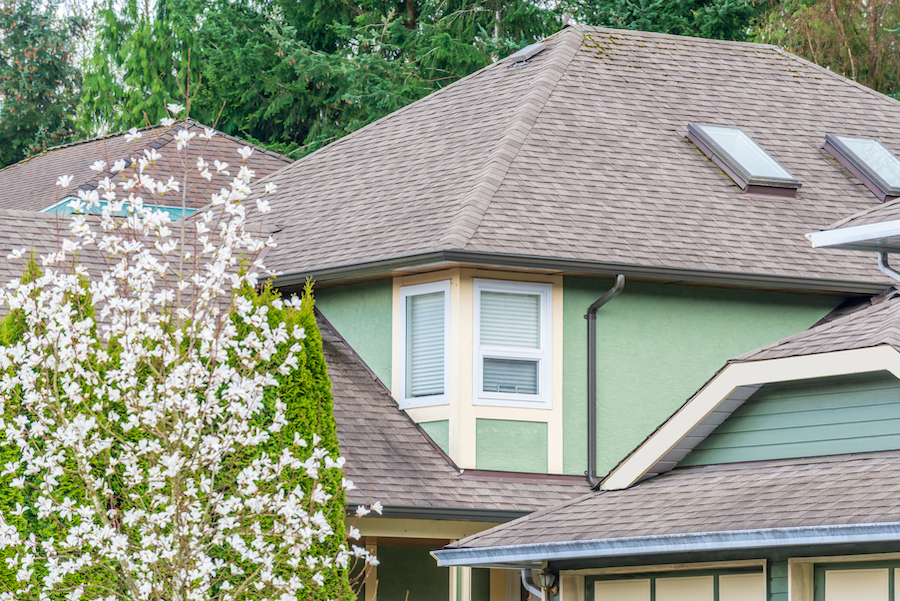
Remove Debris
Leaves, branches, and organic debris can retain moisture and promote algae or moss growth.
Regular roof cleaning helps maintain proper drainage and reduces unnecessary wear.
Address Small Repairs Quickly
Replacing a few damaged shingles is far less expensive than addressing widespread roof failure.
Prompt repairs can:
- Prevent leaks
- Extend roof lifespan
- Reduce future repair costs
- Maintain structural integrity
Improve Attic Ventilation
Balanced attic ventilation helps regulate temperature and moisture levels, reducing stress on roofing materials.
Proper airflow can significantly extend the life of an asphalt shingle roof.
When Should You Replace an Aging Roof?
The decision to replace a roof depends on several factors, including age, condition, repair history, and overall performance.
You should consider replacement if:
- The roof is approaching 20 to 30 years old
- Repairs are becoming frequent
- Granule loss is widespread
- Shingles are curling or cracking extensively
- Multiple leaks are occurring
- Storm damage has affected large areas
- You’re already planning other major exterior remodeling projects
Waiting too long can increase repair costs and expose your home to avoidable damage.
A professional roofing inspection can help determine whether repair or replacement is the most cost-effective option. If you decide to replace your roof, you may want to consider having other home improvement projects such as siding, attic insulation, windows, or gutters done at the same time to save on costs.
The Importance of Early Detection
One of the biggest challenges with roof deterioration is that many problems develop gradually. Homeowners often become accustomed to the roof’s appearance and may overlook subtle warning signs.
Routine inspections and proactive maintenance can help identify:
- Early granule loss
- Small cracks
- Ventilation issues
- Moisture concerns
- Emerging leak risks
By addressing these issues early, homeowners can often extend the lifespan of their roofs and avoid more expensive repairs.
Protect Your Home from Roof Deterioration
Understanding the stages of asphalt shingle aging can help you make smarter decisions about roof maintenance and replacement. From early granule loss to severe structural deterioration, every roof follows a predictable aging process. Recognizing the warning signs at each stage allows you to address problems before they threaten your home’s safety and value.
At Reliable Home Improvement, we help homeowners identify roof deterioration, evaluate roofing conditions, and determine the best solutions for long-term protection. Whether you need a professional inspection, repairs, or a full roof replacement, our experienced team is here to help.
Contact Reliable Home Improvement online or call 916-773-0263 today to schedule a roof inspection and ensure your home remains protected for years to come.
Frequently Asked Questions
1. What are the first signs of roof deterioration?
The earliest signs typically include granule loss, minor discoloration, and small areas of surface wear. Granules in gutters are often one of the first visible indicators.
2. How long do asphalt shingle roofs typically last?
Most asphalt shingle roofs last between 20 and 30 years, depending on material quality, climate, installation, and maintenance.
3. Is granule loss always a problem?
A small amount of granule loss is normal, especially shortly after installation. Significant or widespread granule loss later in the roof’s life may indicate advanced aging.
4. Can curled shingles be repaired?
In some cases, isolated curled shingles can be repaired or replaced. However, widespread curling often indicates that the roof is nearing the end of its lifespan.
5. How often should I have my roof inspected?
Most roofing professionals recommend annual inspections and additional inspections after major storms or severe weather events.